The Common Travel Area and the special status of Irish citizens in the UK
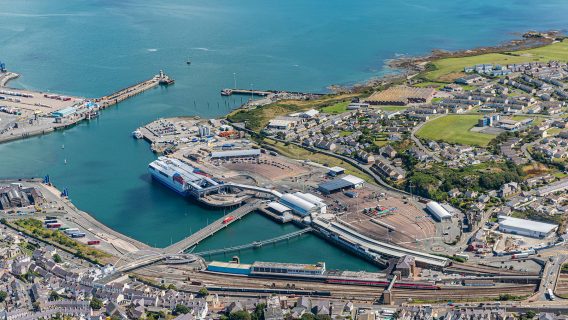
The UK and Ireland have a long-running agreement on free movement and residence for each other's citizens.
The criteria for permission to enter or remain in the UK, and conditions attached, are specified in the immigration rules rather than legislation. Parliament has a limited role in overseeing changes to the rules.
The immigration rules (125KB PDF)
The Immigration Act 1971 includes provisions about what the immigration rules should cover and how they are scrutinised by Parliament.
The rules are subject to a similar process to the negative procedure for statutory instruments. This gives Parliament a limited role in overseeing changes to the rules.
Statements of changes to the rules are laid before Parliament and automatically come into effect on the date appointed by ministers. To reject the changes, Parliament must approve a motion expressing disapproval of the rules within 40 days of the statement of changes being laid.
Critics of the existing arrangements say the rules should be subject to more rigorous scrutiny and approval processes. They point to the significance of the rules to the operation of the immigration system and migrants’ experiences in the UK, and to the extent of policy changes that can be implemented through the immigration rules. Successive governments have defended the existing arrangements on the grounds that they are well-established, provide flexibility and support the smooth functioning of the immigration system.
The immigration rules (125KB PDF)
The UK and Ireland have a long-running agreement on free movement and residence for each other's citizens.
Many constituents are asking how refugees can get permission to come to the UK through the UK Resettlement Scheme or the forthcoming community sponsorship routes.
Limited local data is available on international migration in the UK. Instead, most statistics are published at national level.
