Flood risk management and funding
This briefing paper provides an overview of flood and coastal risk management in the UK, including which bodies manage risk, current policy on flood risk management, and how flood funding works.

The 2025 United Nations Climate Change Conference (COP30) is to be held from 10 to 21 November 2025 in Belém, Brazil. This briefing covers the main themes of COP30.
CBP 10357 COP30 (669KB PDF)
The 2025 United Nations Climate Change Conference (also known as the 30th Conference of the Parties, or COP30) will take place from 10 to 21 November 2025 in Belém, Brazil. Azerbaijan hosted COP29 in Baku in 2023 and will hand over the presidency to Brazil.
COP30 will be held in close proximity to the Amazon rainforest and has been billed as the ‘nature COP’. The COP30 website states that the location will “provide the world with a unique platform to discuss climate solutions, firmly rooted in the heart of the Amazon”. COP30 will be the first conference to return to Brazil since the inaugural Rio Earth Summit in 1992, which led to the establishment of the United Nations Framework Convention on Climate Change.
Host nation Brazil has set out three main goals for COP30: reinforcing multilateralism and cooperation, connecting climate change to individuals and the economy, and accelerating implementation.
COP President André Corrêa do Lago set out his intention for countries to come together to take strong collective climate action, writing that “our multilateral institutions can and will deliver results commensurate with the scale of the climate challenge”.
COP30’s focus on multilateralism and collective action is in the context of continued criticism of the existing COP process.
Nationally determined contributions (NDCs) are national plans to address climate change. Countries that are party to the Paris Agreement are required to publish and revise NDCs every five years.
Parties were due to submit revised NDCs in early 2025, but this deadline was extended by the UN following only a small number of returns. It is likely that NDCs and collective ambition will form a key part of COP30, with host nation Brazil expressing its intention that its own NDC will incentivise other countries to make ambitious national commitments.
Brazil has made implementation one of its key priorities, with a focus on delivering the outcomes of pledges made at previous COPs. These include the outcomes of the ‘Global Stocktake’ at COP28 in Dubai, such as tripling renewable energy capacity globally by 2030 and ‘transitioning away’ from fossil fuels.
Nature and forests are likely to form a large part of COP30, building on the conference’s location in close proximity to the Amazon rainforest. Brazil’s headline ‘Tropical Forests Forever Facility’ is due to launch at the conference, with the ambition of delivering a mix of public-private financing to prevent the loss of tropical forests.
Numerous delegations have expressed concerns about accommodation, with both minimum stay requirements and high nightly rates limiting accessibility. These costs may disproportionately impact delegates from poorer nations, which are often the most climate vulnerable, and risk excluding them from the conference.
CBP 10357 COP30 (669KB PDF)
This briefing paper provides an overview of flood and coastal risk management in the UK, including which bodies manage risk, current policy on flood risk management, and how flood funding works.
The Commonwealth funds human rights work, observes elections, and can suspend its members. Challenges include democracy and LGBT+ rights.

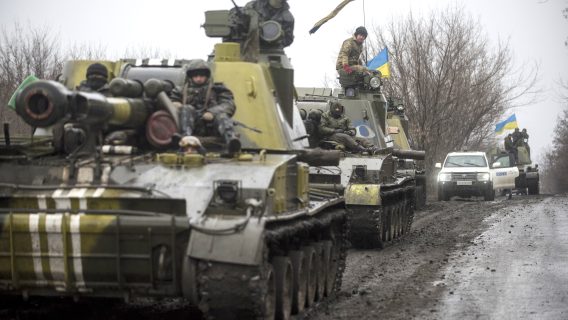
This paper provides a timeline of the major events in the Ukraine-Russia conflict since the 2022 Russian invasion.