Prostate cancer screening
On 26 October 2026 there will be a 90-minute Westminster Hall debate at 4.30pm on e-petition 751472 relating to prostate cancer screening.

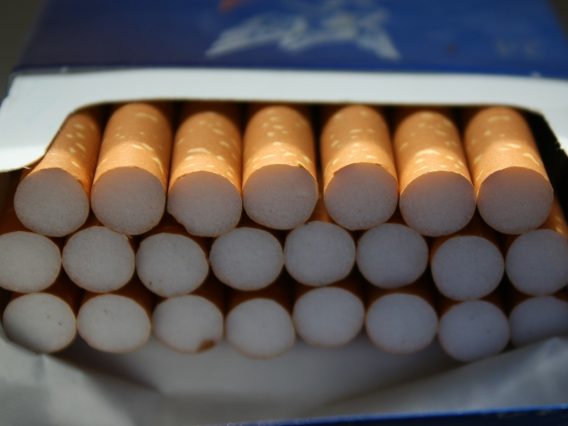
A debate is scheduled for 15 October on progress towards a smoke-free UK. The subject for the debate has been chosen by the Backbench Business Committee, and the debate will be opened by Mary Kelly Foy MP.
In 2019, the Conservative Government published its green paper (a consultation) on preventative health; Advancing our health: prevention in the 2020s. Here, it announced an ambition for England to become ‘smoke-free’ by 2030 – achieved when adult smoking prevalence falls to 5% or less.
The Khan Review: making smoking obsolete, was published in June 2022. It was an independent report published in June 2022 by Dr Javed Khan OBE for the UK government, examining how England could meet its target to become smokefree by 2030. The report found that “without further action, England will miss the smokefree 2030 target by at least 7 years, and the poorest areas in society will not meet it until 2044”. It made 15 recommendations to the government, including increasing the age of sale of tobacco, and promoting vaping as a tobacco quit tool.
The Labour Government has clarified that the Smokefree 2030 ambition was government policy prior to and until the July 2024 General Election. The government has since set out an ambition to deliver a smokefree United Kingdom, but has not specified a date by which this should be achieved
The government has said it will “continue to consider the benefits of publishing a smoke-free roadmap, balancing it against the importance of successfully implementing our significant legislative programme”.
We have set out further information, below, on the government’s measures to reduce smoking and regulate vaping.
According to data published by the Office for National Statistics and taken from the Annual Population Survey (APS), in 2025, around 9.8% of people aged 18 years and over in the UK were current smokers. This is the lowest reported figure since the APS data collection started in 2011, when an estimated 20.2% of adults smoked.
According to data from the Opinions and Lifestyle Survey, in 2025, around 6.5% of people aged 16 and over in Great Britain reported that they vaped (used an e-cigarette) daily. A further 3.4% reported that they vaped occasionally.
The proportion of people reporting daily or occasional vaping was highest among current smokers (33.8%) and ex-smokers (20.7%) compared with those who have never smoked (2.9%). This means that around 1.1 million people in Britain who have never smoked now vape.
A Commons Library briefing provides further information on statistics on smoking and vaping.
The Tobacco and Vapes Act 2026 became law in April 2026. The act will make it an offence, from 1 January 2027, to sell tobacco products, herbal smoking products or cigarette papers to a person born on or after 1 January 2009. The government has said the act will create the first smoke-free generation, and that this is expected to help reduce smoking rates of 14 to 30-year-olds to near zero by 2050.
The provision received broad support, particularly from health organisations, which welcomed its potential public health benefits. However, some stakeholders raised concerns about the practicalities of enforcement, the potential impact on small retailers, and potential implications for civil liberties.
For further information about the measures in the act, and stakeholder responses to it, see the Commons Library briefing, Tobacco and Vapes Bill 2024-2025.
In July 2026, the Department of Health and Social Care launched a consultation on regulating tobacco, vaping and nicotine products.
The department sought views on proposals to regulate tobacco, vaping and nicotine products, using new powers made available in the Tobacco and Vapes Act 2026. The proposals, which were developed with the devolved governments and would apply across the UK, cover:
The department said it wanted to reduce the appeal of these products, particularly to children and young people, while supporting adult smokers to quit.
The consultation closed on 2 October 2026 and the department is currently considering responses.
On 26 October 2026 there will be a 90-minute Westminster Hall debate at 4.30pm on e-petition 751472 relating to prostate cancer screening.
In 2025, 9.8% of adults in the UK were current smokers. This is the lowest figure since the series began.
Support for children and young people's mental health in England is provided by the NHS, schools and other settings. Government policies aim to address the rising need for support.