Documents to download

Various funding schemes are available to eligible households, to support domestic energy efficiency, heating and power generation. These include:

  • The Warm Homes: Local Grant(WH:LG): a government grant scheme to provide energy performance upgrades and low carbon heating via local authorities, to low income households in private housing in England (including off-grid homes previously supported by the Home Upgrade Grant scheme which ended in March 2025).
  • The Warm Homes: Social Housing Fund (WH:SHF): government funding for local authorities and social housing landlords to improve the energy performance of social housing in England. This replaces the Social Housing Decarbonisation Fund.
  • The Boiler Upgrade Scheme (BUS): a government scheme providing upfront grants of up to £7,500 (or £9,000 for heating oil and LPG users) to help with the cost of installing renewable heating systems in domestic properties and small non-domestic properties in England and Wales.
  • The new Warm Homes Plan is a collection of new and existing schemes with which the government aims to reduce energy bills and fuel poverty and support employment in the retrofit sector. It also aims to enhance energy security and address the climate crisis. It includes the existing WH:LG, WH:SHF and BUS schemes, and new plans for loans to consumers for home retrofits and investment in the retrofit supply chain.
  • The Smart Export Guarantee (SEG) supports small scale renewable electricity generation. It does not offer upfront payments but households installing renewable power technologies will be paid by their energy supplier for each unit of electricity they supply to the grid. Installations must be located in Great Britain.
  • Schemes funded and run by the governments of Scotland, Wales and Northern Ireland.
  • The Energy Company Obligation (ECO, closing to new applications): an energy supplier led  energy efficiency scheme in England, Scotland and Wales designed to tackle fuel poverty and help reduce carbon emissions, focused on supporting low-income households. ECO is an obligation on energy suppliers to deliver measures such as insulation, heating, and solar panels. ECO has been extended to 31 December 2026 to allow suppliers to meet existing targets and remediate non-compliant installations: there is no extra funding avialable.
  • Some energy efficiency schemes included in this briefing are now closed (such as the Great British Insulation Scheme, Green Homes Grant, Home Upgrade Grant and Green Deal loans), however advice on these schemes is also provided for existing recipients.

This briefing covers each of the schemes in further detail, including in which parts of the UK they are available, how to rectify problems, and links to sources for further information.


Documents to download

Related posts

  • Petrol and diesel prices

    Petrol and diesel prices hit record highs in July 2022. They had fallen back substantially, but have spiked since the start of the Middle East conflict.
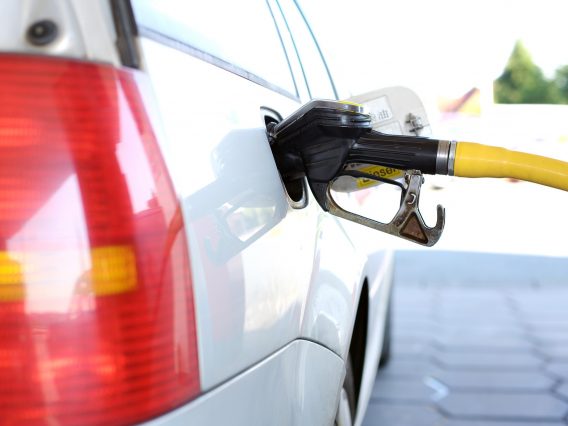
    Petrol and diesel prices
  • Ownership of the water sector

    The water industry in England and Wales is in private ownership. However, following examples of poor environmental performance and high levels of accrued debt, many campaigners have called for the industry to be brought back into public ownership. This briefing presents different perspectives and debate on ownership of the water sector.

    Ownership of the water sector