Prostate cancer screening
On 26 October 2026 there will be a 90-minute Westminster Hall debate at 4.30pm on e-petition 751472 relating to prostate cancer screening.

This briefing outlines the different types of eating disorders and current government policy to tackle eating disorders.
Eating disorders (211KB PDF)
Eating disorders are serious mental health conditions that can have severe psychological, physical and social consequences. An eating disorder can involve eating too much, or too little, exercising too much, losing control over how much is eaten and then taking drastic action to not put on weight, or a combination of these behaviours. Those with eating disorders may have negative perceptions of their body image, such as their weight and shape, and often have other mental health problems alongside the eating disorder, such as anxiety or depression. Eating disorders commonly start in adolescence but can start earlier or later during childhood or adulthood.
The NHS says the most common eating disorders are:
A person may have an other specified feeding or eating disorder (OSFED) if their symptoms do not exactly fit the expected symptoms of a specific eating disorder.
A person may have an avoidant/restrictive food intake disorder (AFRID) when they avoid certain foods and/or limit how much they eat.
The NHS identifies the following symptoms of eating disorders:
Individuals may also notice physical signs, including:
Eating Disorders Awareness Week is an international event for raising awareness and understanding of eating disorders and challenging stereotypes and stigmas.
In 2026, it will take place from February 23 to March 1. The theme is community and the charity Beat has explained why:
Eating disorders can be isolating, making people feel alone whether someone has an eating disorder themselves or whether they are supporting someone.
We’re celebrating the power of community and the vital role family, friends, and other support networks play in helping someone feel supported, understood, and never alone on their journey from seeking help, undergoing treatment and beyond.
We’ll be talking about different types of community, the role of online communities and highlighting the importance of good wellbeing for everyone.
In January 2026, NHS England published updated national guidance for service providers on how to design collaborative, integrated eating disorder services to support children and young people, and their families and/or carers.
In February 2025, the government said NHS England is in the process of publishing updated commissioning guidance for children and young people with eating disorders, and updated access and wait time standard guidance.
NHS England’s 2025/26 priorities and operational planning guidance has a priority for Integrated Care Boards to improve access to children and young people’s mental health services, which would include eating disorder services.
Integrated Care Boards are responsible for planning and commissioning eating disorder services in local areas.
Health minister Dr Zubir Ahmed said in response to a parliamentary question that the government provided £106 million in funding to children’s eating disorder services in 2024/25. This is £10 million more than in 2023/24 (an increase of 10%).
Eating disorders (211KB PDF)
On 26 October 2026 there will be a 90-minute Westminster Hall debate at 4.30pm on e-petition 751472 relating to prostate cancer screening.
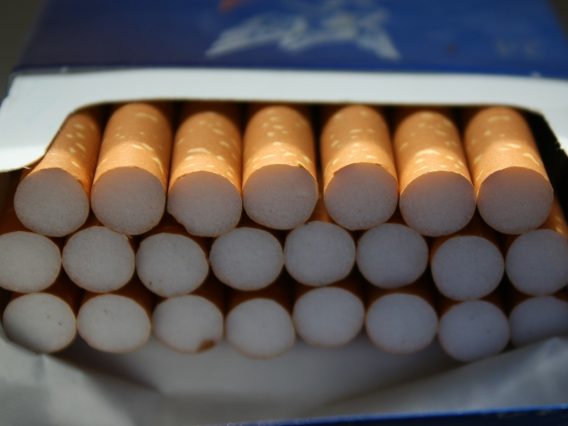
A debate is scheduled for 15 October on progress towards a smoke-free UK. The subject for the debate has been chosen by the Backbench Business Committee, and the debate will be opened by Mary Kelly Foy MP.

In 2025, 9.8% of adults in the UK were current smokers. This is the lowest figure since the series began.