How does the Commonwealth respond to human rights concerns?
The Commonwealth funds human rights work, observes elections, and can suspend its members. Challenges include democracy and LGBT+ rights.

The debate over nuclear weapons in Europe is gaining traction following France's proposals for greater nuclear cooperation among European allies.
Nuclear weapons in Europe (216KB PDF)
Nuclear deterrence has been one of the fundamental principles of European security since the early days of the Cold War. Through NATO, the United States extends its nuclear deterrent to its European allies. The UK and France also operate their own independent nuclear forces. The UK’s nuclear deterrent is assigned to NATO, while France remains outside of the alliance’s nuclear planning structures.
US nuclear weapons are also stationed in Europe through NATO nuclear sharing agreements. In 2022, shortly after Russia invaded Ukraine, President Putin announced that Russia would mirror that posture with the deployment of Russian nuclear weapons in Belarus.
The idea of a European-led nuclear deterrent, wholly complementary to NATO, is one that France has pursued for several years, albeit with a relatively muted response from allies. However, the changing geopolitical landscape prompted by Russia’s war in Ukraine, and questions over President Trump’s commitment to NATO and European security more broadly has prompted not only significant increases in defence spending and a push for rearmament, but it has also reignited the European nuclear debate.
In July 2025, the UK and France announced they would deepen their nuclear cooperation, including greater coordination of nuclear policies, capabilities and operations. In March 2026, President Macron announced changes to French nuclear doctrine which included, in coordination with willing allies, a progressive move toward what he called “forward deterrence”. Among other things, this concept envisages the temporary deployment of French nuclear aircraft to allied countries in times of crisis. French nuclear assets will not be shared and French nuclear decision making will remain sovereign. Nevertheless, it has raised questions about Europe’s changing attitude towards nuclear deterrence within Europe and the nuclear relationship within NATO.
Nuclear weapons in Europe (216KB PDF)
The Commonwealth funds human rights work, observes elections, and can suspend its members. Challenges include democracy and LGBT+ rights.
A briefing paper which "maps" (or summarises) the main elements of the United Kingdom's uncodified constitution.

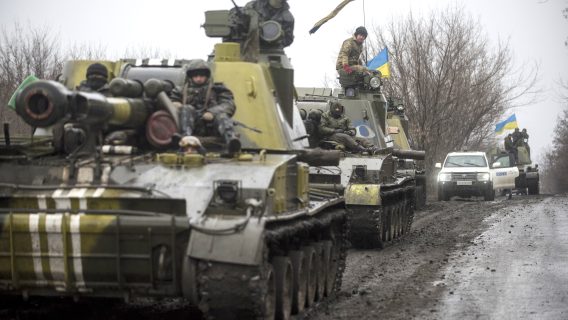
This paper provides a timeline of the major events in the Ukraine-Russia conflict since the 2022 Russian invasion.