Regulation of e-scooters and e-bikes
A Westminster Hall debate has been scheduled for 21 October on regulation of e-scooters and e-bikes. The debate will be opened by Helen Maguire MP.

The Highways (Financing) Bill would create a new option for private sector firms to fund the construction of large road projects and allow tolls to be charged on them.
Highways Financing Bill briefing (668KB PDF)
The Highways (Financing) Bill 2026-27 was presented in the House of Commons on 10 September 2026 and is scheduled for second reading on 15 October 2026.
The bill aims to establish a new framework for financing major road infrastructure projects in England through private sector investment. It would enable private companies to fund, build and maintain specific highways in return for being granted powers to charge tolls on those roads. The Office of Rail and Road (ORR) would act as the independent regulator of the new regime.
According to the bill’s impact assessment, it aligns with the UK Infrastructure 10 Year Strategy and the Road Investment Strategy, which seeks to provide well-maintained and safe roads that support economic growth and regional development.
The bill’s main aim is to introduce a Regulated Asset Base (RAB) model for road infrastructure. Under a RAB model, private investors can charge users of their infrastructure projects to recover their costs and earn a return. RAB models have previously been used in sectors such as energy, water and rail, and other major infrastructure projects. The model is intended to provide investors with confidence that they can invest in infrastructure while recovering costs over the long term.
The bill also intends to facilitate the construction of the Lower Thames Crossing, a proposed 14.5-mile (23 km) road connecting Kent and Essex through two tunnels beneath the River Thames. The project is expected to cost £10.6 billion and would be financed using RAB model. The government has said that users of the Lower Thames Crossing would pay a toll,
The government has confirmed that it has no plans to use the bills powers to introduce tolls on roads that are currently free to use.
The bill contains eight parts. These would:
The bill would also permit barrierless tolling on roads where tolls are already authorised under existing legislation. Barrierless tolling means vehicles do not need to stop at a barrier to pay the toll. However, the bill does not explicitly discuss the technology to be used to enforce such charges.
The government’s impact assessment says new primary legislation was required because existing law did not permit private companies to operate as regulated highway authorities, impose tolls, or be overseen through a dedicated regulatory framework.
Under the proposed licensing regime, private companies would be subject to requirements relating to safety and performance enforced by the ORR.
The Highways (Financing) Bill extends to England and Wales for legal purposes but applies only to highways in England. Certain provisions relating to special administration and general matters also extend to Scotland.
However, the bill does not apply to highways in Scotland, Wales or Northern Ireland.
Highways Financing Bill briefing (668KB PDF)
A Westminster Hall debate has been scheduled for 21 October on regulation of e-scooters and e-bikes. The debate will be opened by Helen Maguire MP.
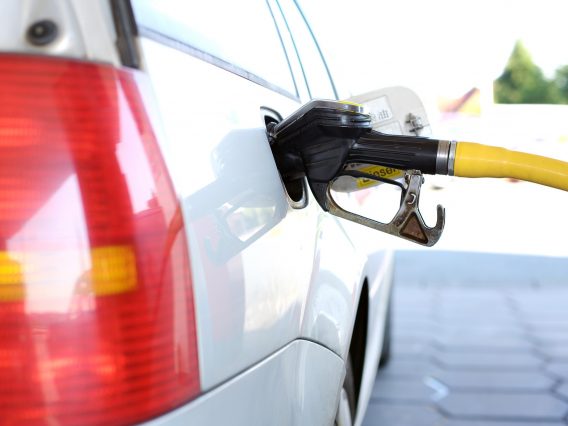
Petrol and diesel prices hit record highs in July 2022. They had fallen back substantially, but have spiked since the start of the Middle East conflict.
On 26 October 2026 there will be a Westminster Hall debate on e-petition 750612 relating to placing a requirement on drivers to report collisions with cats.
