The United Kingdom constitution – a mapping exercise
A briefing paper which "maps" (or summarises) the main elements of the United Kingdom's uncodified constitution.

What's next for Turkey? The AKP has lost power after 13 years in government, following a surge in support for the Kurdish HDP. Coalition negotiations may be underway, but fresh elections loom, and the uncertainty is likely to damage Turkey.
Turkey's 2015 elections: a change of direction? (238KB PDF)
The elections for Turkey’s Grand National Assembly on 7 June 2015 ended the AKP’s long spell in power. It remains the largest party, but without a majority and with no clear coalition partner. A major factor was the (largely Kurdish) HDP gaining a place in parliament for the first time after widening its appeal. President Erdoğan’s interventions in the campaign failed to gain the AKP the majority it needed to change the constitution and grant him more powers.
The next weeks and months are likely to see behind-the-scenes discussions over possible coalitions, or a minority AKP government. A right-wing coalition between the AKP and nationalist MHP is perhaps possible, but would come at a heavy price for both parties. If no successful government is formed in 45 days, the President – who remains highly influential – may call fresh elections. The uncertainty is likely to damage Turkey’s economy as well as its regional influence.
Turkey's 2015 elections: a change of direction? (238KB PDF)
A briefing paper which "maps" (or summarises) the main elements of the United Kingdom's uncodified constitution.
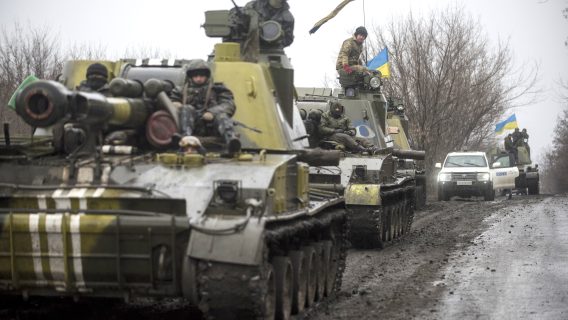
This paper provides a timeline of the major events in the Ukraine-Russia conflict since the 2022 Russian invasion.
The five Nordic countries – Denmark, Finland, Iceland, Norway and Sweden – work closely together through the Nordic Council and Nordic Council of Ministers
