The United Kingdom constitution – a mapping exercise
A briefing paper which "maps" (or summarises) the main elements of the United Kingdom's uncodified constitution.

France held a presidential election on 10 April 2022, with a run-off poll taking place on 24 April. In a repeat of the 2017 election, Emmanuel Macron defeated Marine Le Pen.
France: 2022 presidential election and future prospects (475KB PDF)
12 candidates were approved to contest the first round, with the top two candidates then facing off in the second round, to see who would win the presidency.
The election campaign officially began on 28 March, with the spiralling cost of living being the top concern for voters. Other big issues included health, security, pensions, the environment and immigration.
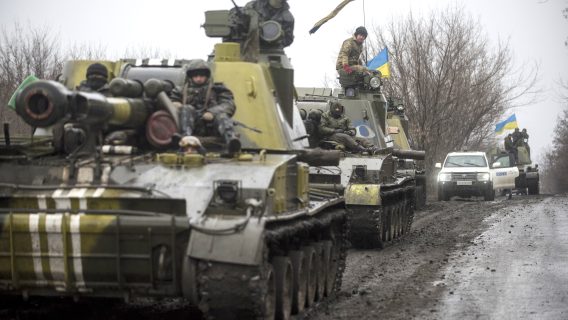
The crisis between Russia and Ukraine overshadowed the beginning of the campaign, but the focus soon returned to domestic matters.
None of the candidates reached an overall majority of votes in the first round, so the two candidates with the most votes – Emmanuel Macron and Marine Le Pen – went on to the second round run-off poll.
Many of the losing candidates encouraged their supporters to back Macron and he went on to be re-elected for a second and final term in office.
| Candidate | No. of valid votes | % of valid votes |
| Emmanuel Macron | 18,779,641 | 58.54 |
| Marine Le Pen | 13,297,760 | 41.46 |
| Total | 32,077,401 | 100.00 |
Many French citizens were disillusioned with the two candidates on offer and intentionally spoiled their ballot paper. Indeed, the three million blank and invalid votes cast demonstrated the highest level of abstentions of any second-round vote in France since 1969.
With parliamentary elections due in June, Macron’s party now faces an uphill struggle, with rivals on both the left and right vowing to put up a strong challenge.
If Macron fares badly in the June elections, he could end up losing his majority in parliament and may not be able to form his own government. Consequently, his opponents are referring to the legislative election as the “third round”.
France has a semi-presidential system, which means it has both a president and a prime minister. However, the French president has considerably wide-ranging powers.
The French Constitution states presidential elections shall take place every five years and presidents can serve no more than two consecutive terms in office.
The electoral system used in France has defied calls for more flexibility or modernisation, with no absentee voting and no early voting allowed. Machine-voting has been allowed on an experimental basis, but the purchase of new machines has been frozen since 2008 due to security concerns. Only about 60 towns, out of 35,000 municipalities still use them.
All French citizens aged 18 and over can vote, whether they reside in France or not. In the 2022 presidential election, 48.8 million people were eligible to vote.
On 13 July 2021 French government spokesman Gabriel Attal announced the dates for the 2022 presidential election.
Owing to their locations in earlier time zones, many French overseas territories (Guadeloupe, Martinique, French Guiana, Saint-Pierre-et-Miquelon, Saint-Barthélemy, Saint-Martin and French Polynesia) vote a day earlier.
France: 2022 presidential election and future prospects (475KB PDF)

A series of briefings from the House of Commons Library on elections from around the world.
A briefing paper which "maps" (or summarises) the main elements of the United Kingdom's uncodified constitution.
This paper provides a timeline of the major events in the Ukraine-Russia conflict since the 2022 Russian invasion.
The five Nordic countries – Denmark, Finland, Iceland, Norway and Sweden – work closely together through the Nordic Council and Nordic Council of Ministers
