Flood risk management and funding
This briefing paper provides an overview of flood and coastal risk management in the UK, including which bodies manage risk, current policy on flood risk management, and how flood funding works.

A Westminster Hall debate has been scheduled for 2.30pm on 5 March on the Renewables Obligation Certificate Scheme. The debate will be opened by Terry Jermy MP.
Commons Library debate pack - Debate on the Renewables Obligation Certificate Scheme (189KB PDF)
The Renewables Obligation (RO) was introduced in 2002 as a support scheme for renewable electricity projects. It provided participants with financial support per unit of renewable electricity generated at a fixed rate for 20 years.
The scheme closed to all new entrants in April 2017 and was replaced with Contracts for Difference.
The RO worked by placing an obligation on UK suppliers of electricity to get an increasing proportion of their electricity from renewable sources. Companies do this through purchasing a Renewable Obligation Certificate (ROC) issued to an accredited generator for renewable electricity generated. It is proof that a certain amount of electricity has been generated from a renewable source.
A renewable generator therefore had two sources of income: income generated from the sale of electricity to the wholesale market (which does not distinguish between renewable and non-renewable energy) and income from the sale of ROCs.
This Library briefing paper on the Renewables Obligation Scheme, published in 2016 ahead of the scheme closure in 2017, provides background on the scheme.
Commons Library debate pack - Debate on the Renewables Obligation Certificate Scheme (189KB PDF)
This briefing paper provides an overview of flood and coastal risk management in the UK, including which bodies manage risk, current policy on flood risk management, and how flood funding works.
This briefing outlines the various financial support available across the UK for installing energy efficient measures, heating and renewable energy in homes.

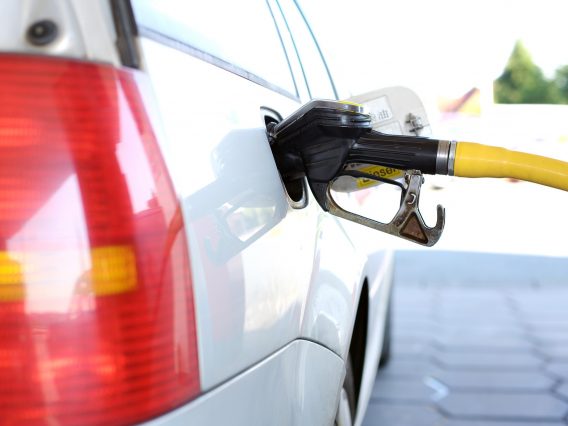
Petrol and diesel prices hit record highs in July 2022. They had fallen back substantially, but have spiked since the start of the Middle East conflict.