Flood risk management and funding
This briefing paper provides an overview of flood and coastal risk management in the UK, including which bodies manage risk, current policy on flood risk management, and how flood funding works.

This paper summarises the House of Commons Second Reading and Committee Stage proceedings of the Energy Bill. The Bill received its Second Reading on 7 December 2009. It was not amended in Committee. The Bill will introduce an incentive to support up to four carbon capture and storage (CSS) demonstration projects in the UK. CSS is a way of reducing the impact of fossil fuel emissions by capturing carbon dioxide. It will also introduce mandatory support to lower energy bills for the most vulnerable, increase the powers of the industry regulator, Ofgem, and give the Secretary of State the power to ban cross-subsidy between gas and electricity accounts.
Energy Bill: Committee Stage Report (196KB PDF)
This briefing paper provides an overview of flood and coastal risk management in the UK, including which bodies manage risk, current policy on flood risk management, and how flood funding works.
This briefing outlines the various financial support available across the UK for installing energy efficient measures, heating and renewable energy in homes.

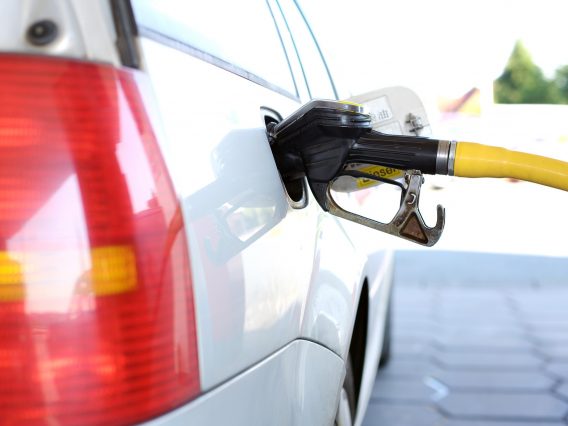
Petrol and diesel prices hit record highs in July 2022. They had fallen back substantially, but have spiked since the start of the Middle East conflict.