The United Kingdom constitution – a mapping exercise
A briefing paper which "maps" (or summarises) the main elements of the United Kingdom's uncodified constitution.

Recent parliamentary and presidential elections in Russia led to the return of Vladimir Putin as President of Russian Federation from May 2012. There has been a crisis in legitimacy of Putinism and moves to restore faith in the system, but the looming economic problems threaten the system and carrying through genuine reform will be difficult.
The Russian crisis and Putin’s third term (198KB PDF)
• The authorities made some efforts to ensure that electoral fraud in the presidential election was not as blatant as in the parliamentary election
• There were many reports of abuses and the Russian system remains profoundly undemocratic, but Vladimir Putin was the most popular candidate
• Russia’s economic problems, closely linked to the country’s politics, are severe.
• In the longer term it is difficult to see how the problems can be addressed without profound reform, particularly to ensure the rule of law and the protection of individual rights
• Russian corruption makes that reform very difficult to achieve, but popular dissent is unlikely to go away
• A weaker Putin may resort to foreign policy to demonstrate strength and appeal to nationalistic support: this may make relations with western countries more difficult in the coming years.
The Russian crisis and Putin’s third term (198KB PDF)
A briefing paper which "maps" (or summarises) the main elements of the United Kingdom's uncodified constitution.
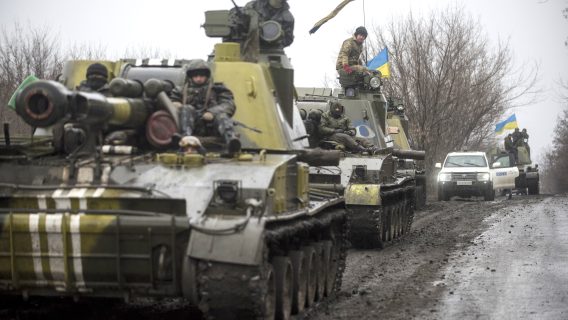
This paper provides a timeline of the major events in the Ukraine-Russia conflict since the 2022 Russian invasion.
The five Nordic countries – Denmark, Finland, Iceland, Norway and Sweden – work closely together through the Nordic Council and Nordic Council of Ministers
