Regulation of e-scooters and e-bikes
A Westminster Hall debate has been scheduled for 21 October on regulation of e-scooters and e-bikes. The debate will be opened by Helen Maguire MP.

This paper explains what private or ‘unadopted’ roads are and the problems and issues associated with them. It also explains who is responsible for maintaining these roads and how highways authorities can ‘adopt’ such roads and make them public highways.
Private, or 'unadopted' roads in England and Wales (1MB PDF)
This paper explains what private or ‘unadopted’ roads are and the problems and issues associated with them. It also explains who is responsible for maintaining these roads and how highway authorities can ‘adopt’ such roads and make them public highways.
A private or unadopted road is one which is not maintained at public expense. It may or may not be a highway (that is, it may or may not be a public right of passage).
Some private or unadopted roads are publicly accessible, with permission from the landowner, but are not legally highways.
A 2026 Supreme Court case (R (Respondent) v McCafferty and others (Appellants)) established that permission from a landowner for the public to use a private road does not constitute a public right of passage. The press summary of the judgement states (PDF):
“There is a legal distinction, which is well understood, between a right of way or other right to use land and a mere licence or permission from the owner or occupier to do so.”
The House of Commons Library paper Rights of Way provides more detail on rights of way issues in England and Wales.
There are two main types of private or unadopted road: those on new developments such as housing estates and those which, usually by historic accident, have existed for a long time, often since the nineteenth century. A Department of Transport (DfT) survey in 1972 found that there were then approximately 40,000 unadopted roads in England and Wales, making up 4,000 miles of road. No later survey has been undertaken and the DfT do not hold data on the number of unadopted roads (PQ 8931, 15 January 2024). However local authorities do have to keep a list of all roads they are responsible for.
The Labour Government estimated in 2009 that it would cost £3 billion to bring all unadopted roads to an adoptable standard. In Wales, the now defunct Unadopted Roads Taskforce also undertook research ‘A brief journey around unadopted roads in Wales’, which concluded that adoption of all roads would not be possible due to the cost.
Responsibility for the cost of maintaining a private road rests with the frontagers (the owners of properties which front onto such roads). Meaning the local highways authority is under no obligation to pay for its maintenance.
The law on the maintenance and adoption of private roads in England and Wales is highly complex. It is mostly contained in Part XI of the Highways Act 1980. Statutory provision does exist for unadopted roads to be adopted and thus become highways maintainable at public expense. Statutory provision also enables the street works authority to require frontagers to undertake repairs if there is a danger to traffic in a private street. Where the frontagers fail to act as required the authority may execute the repairs itself and recover the costs from the frontagers.
Andrew Barsby, Private Roads: The Legal Framework (6th ed.), 2021, contains a thorough description of the law.
There is separate legislation for Scotland and Northern Ireland, detailed in Section 1.5.
Private, or 'unadopted' roads in England and Wales (1MB PDF)
A Westminster Hall debate has been scheduled for 21 October on regulation of e-scooters and e-bikes. The debate will be opened by Helen Maguire MP.
The Highways (Financing) Bill would create a new option for private sector firms to fund the construction of large road projects and allow tolls to be charged on them.
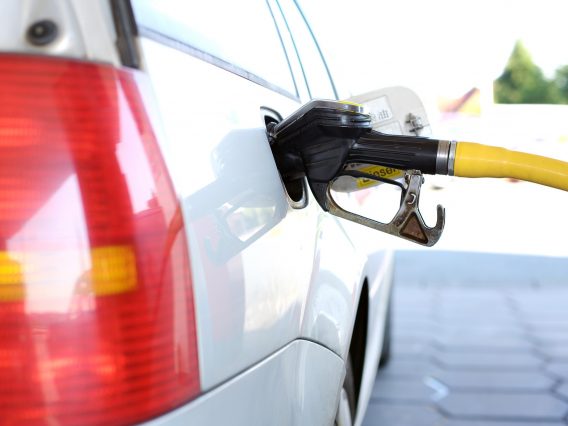
Petrol and diesel prices hit record highs in July 2022. They had fallen back substantially, but have spiked since the start of the Middle East conflict.